
Free Naturopathic and TCM resources
Gut Health & Microbiome: A TCM and Naturopathic Guide
A healthy gut microbiome is the foundation of lasting gut health. In Traditional Chinese Medicine (TCM) and modern naturopathy, the state of the digestive system influences energy, immunity, hormones, skin, mood, and overall vitality. When the gut is out of balance, people often experience bloating, fatigue after meals, irregular stools, food sensitivities, brain fog, or skin issues.
This comprehensive guide explores gut health through the complementary lenses of TCM and contemporary microbiome science. You will learn how classical patterns such as Spleen Qi deficiency and dampness relate to modern findings about microbial diversity and dysbiosis, and how food energetics, lifestyle, and, when appropriate, a high-quality stool microbiome test can work together to restore balance.

The TCM View of Gut Health
In Traditional Chinese Medicine, the digestive system is governed primarily by the Spleen and Stomach. The Spleen is the central organ of post-natal Qi production — the energy and nourishment we derive from food. Its main functions are to transform and transport food and fluids, raise clear Qi upward, and keep Blood within the vessels.
When Spleen Qi is strong, digestion feels effortless. Meals provide sustained energy, stools are well-formed, and the body feels grounded. When Spleen Qi deficiency develops — often from irregular eating, excessive cold or raw foods, overthinking, worry, or prolonged stress — transformation and transportation falter.
Common signs include:
-
Bloating or heaviness after meals
-
Loose or incomplete stools
-
Afternoon fatigue or post-meal tiredness
-
Cravings for sweet or refined foods
-
Tendency toward dampness (heaviness, foggy mind, sticky sensations)
Dampness is a key pathological factor closely tied to Spleen dysfunction. It arises when fluids are not properly transformed and begin to stagnate. Over time, dampness can combine with heat or cold, further impairing the Spleen and affecting the free flow of Liver Qi.
The Liver also plays an important role. Liver Qi stagnation (often from emotional stress) can invade the Spleen and Stomach, leading to alternating constipation and diarrhea, abdominal tension, or irritability linked to digestive discomfort. Yin deficiency may dry the intestines, while Yang deficiency can slow metabolism and produce cold, loose stools.
TCM therefore approaches gut health holistically: strengthen the Spleen, resolve dampness, move stagnant Qi, nourish Yin or warm Yang as needed, and align eating with the seasons and one’s constitutional type. Food is viewed not only by nutrient content but by its energetic temperature (warming, cooling, neutral), flavor, and organ affinity.
The Modern Gut Microbiome Perspective
Contemporary science describes the gut as a complex ecosystem of trillions of microorganisms — the gut microbiome. A diverse, balanced microbiome supports:
-
Digestion and nutrient absorption
-
Production of short-chain fatty acids (such as butyrate) that nourish the intestinal lining
-
Immune regulation (approximately 70 % of immune cells reside in the gut)
-
Synthesis of certain vitamins and neurotransmitters
-
Protection against pathogenic overgrowth
When microbial diversity decreases or the balance shifts (dysbiosis), a cascade of effects can follow. Research links dysbiosis to increased intestinal permeability (leaky gut), low-grade inflammation, altered immune responses, changes in weight regulation, skin conditions, and influences on mood via the gut-brain axis. Many people with IBS (irritable bowel syndrome) or unresolved digestive complaints show measurable shifts in their microbial profile.
These modern findings do not replace TCM theory; they offer a complementary layer of detail. Where TCM speaks of dampness or Spleen Qi deficiency, modern analysis may reveal reduced populations of beneficial butyrate-producing bacteria or an elevated dysbiosis index. Both frameworks point toward the same practical goal: restoring a functional, resilient digestive system.


Why Nutrition Matters for Hormonal Health
Where TCM Patterns Meet Microbiome Science
Many classical TCM patterns have recognizable correlates in gut microbiome research:
-
Spleen Qi deficiency and dampness often align with reduced microbial diversity, lower levels of key beneficial species, and a tendency toward fermentation-related bloating.
-
Liver Qi stagnation affecting digestion can coexist with stress-related shifts in the gut-brain axis and altered motility.
-
Yin deficiency patterns may relate to a drier intestinal environment and changes in mucus-layer-supporting bacteria.
-
Chronic low-grade inflammation described in TCM as heat or damp-heat frequently overlaps with elevated inflammatory bacterial markers and indicators linked to leaky gut.
This overlap is clinically useful. A person who has already optimized diet according to TCM principles may still benefit from precise data about their current microbial landscape. Conversely, someone who receives a detailed microbiome test report can apply TCM food energetics more intelligently, selecting foods that both support beneficial bacteria and match their constitutional needs.
Supporting Gut Health Through TCM Nutrition and Lifestyle
The foundation of lasting gut health remains daily practice. The following principles consistently support both classical patterns and modern microbial balance:
1. Prioritize warm, cooked, easily digestible meals
Cold, raw, or iced foods require more Spleen Qi to process. Favor soups, stews, congees, and gently cooked vegetables, especially if you experience bloating or post-meal fatigue.
2. Reduce damp-producing foods
Limit excessive dairy, refined sugars, greasy fried items, and overly sweet or sticky foods when dampness signs are present. Emphasize aromatic spices (ginger, cardamom, fennel) and light, draining vegetables such as radish, celery, or barley.

3. Eat according to your constitution and the season
A person with Yang deficiency benefits from more warming foods (ginger, cinnamon, lamb, walnuts), while someone with Yin deficiency needs moistening and nourishing options. Seasonal adjustments keep the system adaptable.
4. Support the gut lining and microbial diversity through whole foods
Include a variety of plant fibers, fermented foods in moderation (if tolerated), and polyphenol-rich items. In TCM terms these often correspond to foods that strengthen Qi or clear mild heat without creating further dampness.
5. Regulate lifestyle factors
Irregular meal times, chronic worry, insufficient sleep, and lack of movement all tax the Spleen and Liver. Consistent meal rhythms, gentle walking after eating, and stress-reduction techniques often produce noticeable improvement.
These steps alone resolve many mild-to-moderate imbalances and form the core of the educational approach used throughout the NaturaBalance resources on this site.
When a Microbiome Test Can Add Clarity
There are situations in which additional data becomes helpful for refining gut health strategies:
-
Digestive symptoms persist despite consistent TCM-aligned diet and lifestyle changes
-
Unexplained fatigue, skin issues, or hormonal fluctuations accompany gut discomfort
-
You want objective information about microbial diversity, specific bacterial functions, or potential indicators related to intestinal barrier integrity (leaky gut) or IBS-type patterns
-
You are refining a long-term personalized nutrition strategy and wish to track changes over time
A high-quality stool microbiome test uses next-generation DNA sequencing to identify bacterial species present in the sample, assess overall diversity and balance (dysbiosis index), and generate personalized dietary suggestions. It does not diagnose disease, but it can reveal patterns that guide more precise food and lifestyle choices.
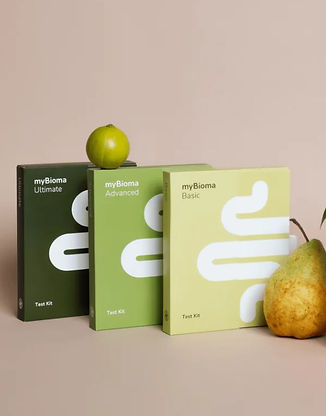
One option that provides a detailed yet accessible report is the myBioma Advanced Microbiome Test.
It examines microbial diversity, key bacterial groups, and correlations with immune function, inflammation potential, skin health, weight regulation, and indicators related to common digestive concerns such as leaky gut, IBS, and related imbalances. The report includes tailored nutrition recommendations that can be interpreted alongside TCM principles of Spleen Qi support and dampness-clearing foods.
Disclosure: I am an affiliate partner of myBioma. If you choose to order through the link below, I may receive a commission at no additional cost to you.
Order the myBioma Advanced Microbiome Test here
Results typically arrive within a few weeks and can be reviewed on a secure platform.
Many people find the combination of classical pattern diagnosis and modern microbial data particularly empowering: the TCM framework supplies the overarching strategy, while the microbiome test supplies specific, measurable details that support personalized nutrition.
Integrating Both Approaches Practically
-
Begin with foundational TCM nutrition and lifestyle adjustments (warm cooked foods, regular meals, constitution-appropriate choices, stress regulation).
-
Observe changes over 4–8 weeks. Many symptoms improve substantially with these measures alone.
-
If residual issues remain or you desire deeper personalization, consider a comprehensive stool microbiome test.
-
Use the test results to refine food selection — for example, increasing particular prebiotic fibers that support beneficial species while still respecting warming/cooling and dampness principles.
-
Reassess periodically. Both microbial composition and TCM patterns can shift with seasons, stress levels, and dietary changes.
Tools such as the free TCM constitution quiz and the NaturaBalance meal analyzer on this site help translate daily meals into energetic language, making it easier to stay consistent with gut health goals.
Closing Thoughts
Gut health is rarely improved by a single intervention. It responds best to consistent, individualized attention — the kind of attention TCM has refined over centuries and that modern gut microbiome science is now quantifying with increasing precision. By combining the wisdom of food energetics and organ-system balance with contemporary insights into the microbial ecosystem, we gain a more complete map of what the body needs.
Whether you work solely with classical principles or choose to add laboratory data from a microbiome test, the goal remains the same: restore the Spleen’s transformative power, maintain fluid metabolism, support microbial diversity, and allow Qi and Blood to flow freely. From that foundation, energy, clarity, and resilience naturally follow.
Important note
The information on this page is educational and based on Traditional Chinese Medicine and naturopathic principles. It is not medical advice, diagnosis, or treatment. A microbiome test or stool microbiome test does not diagnose disease. Always consult a qualified healthcare professional for personal health concerns, especially if you have ongoing symptoms or medical conditions.
