
Free Naturopathic and TCM resources
Foods for Liver Qi Stagnation (TCM Diet Guide)
In Traditional Chinese Medicine (TCM), Liver Qi Stagnation is one of the most common imbalance patterns seen in modern life. Chronic stress, emotional tension, irregular eating habits, and lack of movement can all interfere with the Liver’s ability to keep Qi flowing smoothly.
When Liver Qi becomes constrained, symptoms may appear both physically and emotionally. Diet plays a supportive — but not curative — role in helping restore balance by gently encouraging movement, reducing tension, and supporting digestion.
This page provides an educational overview of foods traditionally used in TCM dietary therapy for Liver Qi Stagnation, how they work energetically, and how to apply them safely and thoughtfully.

Understanding Liver Qi Stagnation in TCM
In TCM theory, the Liver is responsible for:
-
Ensuring the smooth flow of Qi throughout the body
-
Supporting emotional balance and stress adaptation
-
Regulating digestion via its relationship with the Spleen
-
Influencing menstrual regularity
When Liver Qi becomes stagnant, common signs may include:
-
Bloating or abdominal tightness (especially after meals)
-
Rib-side or chest tension
-
Frequent sighing
-
Irritability, frustration, or mood swings
-
PMS symptoms such as breast tenderness or cramping
-
Irregular digestion under stress
Dietary strategies aim to gently move Qi without over-stimulating or weakening digestion.
Dietary Principles for Liver Qi Stagnation
TCM dietary therapy focuses on balance and moderation, not extremes.
Key principles include:
-
Favor lightly moving, aromatic foods
-
Avoid excessive heaviness or greasiness
-
Support digestion to prevent secondary dampness
-
Adjust foods seasonally and constitutionally
It is important to note that strongly dispersing foods may worsen symptoms if digestion is weak or if Yin deficiency is present. Individual context matters.


Foods That Support the Flow of Liver Qi
1. Aromatic Vegetables & Herbs
These foods gently promote Qi movement and ease constraint.
Examples include:
-
Spring onions
-
Leeks
-
Fennel
-
Basil
-
Cilantro
-
Dill
-
Mint (used moderately)
These are best added to warm, cooked meals rather than consumed raw in large amounts, especially if digestion is sensitive.
2. Light, Sour Foods (Used Carefully)
In TCM, sour flavor has a regulating effect on the Liver when used appropriately.
Examples:
-
Lemon zest (small amounts)
-
Lime
-
Pickled vegetables (lightly fermented, not cold from the fridge)
-
Sauerkraut (small portions, warmed)
Excess sour foods may worsen stagnation in some individuals, particularly if coldness or deficiency is present.
3. Foods That Support Emotional Balance
Liver Qi stagnation is often stress-related. Certain foods are traditionally used to nourish the Shen (spirit) and calm tension.
Examples:
-
Oats
-
Long-grain rice
-
Dates (jujube)
-
Rose tea (a classic Liver-Qi-moving herb)
-
Chamomile
Warm preparation is generally preferred.

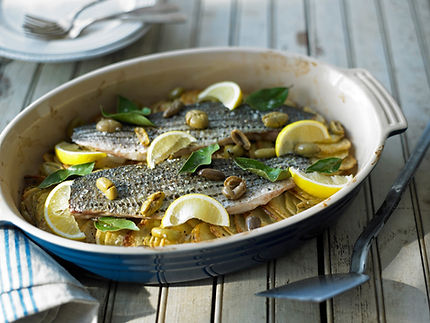
4. Light Proteins That Do Not Burden Digestion
Overly heavy or greasy foods can worsen stagnation by blocking Qi movement.
Better options may include:
-
Eggs
-
Fish
-
Tempeh
-
Lentils (well-cooked)
-
Chicken (light preparation)
Avoid frequent consumption of deep-fried or heavily processed meats.
Foods Often Limited in Liver Qi Stagnation
Depending on the individual, TCM practitioners may advise limiting:
-
Greasy, fried foods
-
Excess alcohol
-
Overly spicy foods
-
Highly processed sugar
-
Large amounts of cold or raw foods
These foods may contribute to tension, heat, or digestive burden when consumed regularly.

The Role of Seasonal Eating
Liver Qi stagnation is especially common in spring, the season associated with the Liver in TCM.
During spring:
-
Emphasize lighter meals
-
Increase gentle movement
-
Use fresh, lightly aromatic foods
You can learn more about seasonal adjustments on the Seasonal TCM Diet page.
Liver Qi Stagnation and Digestion
Liver Qi stagnation frequently affects digestion by disrupting the Spleen’s function. This can lead to bloating, irregular appetite, or alternating bowel habits.
In such cases, dietary support should also consider Spleen Qi Deficiency, rather than focusing on Liver foods alone.
Practical Application in Daily Meals
In practice, meals for Liver Qi stagnation often:
-
Are warm and cooked
-
Include mild aromatics
-
Avoid extremes of temperature and flavor
-
Are eaten regularly and mindfully
-
Rather than following rigid rules, TCM dietary therapy emphasizes observation and adjustment over time.

Using Educational Tools for Personalization
Because Liver Qi stagnation rarely exists in isolation, many people find it challenging to determine:
-
Which foods help vs. worsen symptoms
-
How meals affect energy and digestion
-
How to adapt recipes seasonally
Some individuals use educational tools such as NaturaBalance to explore how foods and meals align with TCM patterns, seasonal principles, and digestive balance in a structured, non-prescriptive way.
Final Considerations
Diet can support the smooth flow of Liver Qi, but it is only one aspect of balance. Emotional regulation, movement, rest, and stress management are equally important.
If symptoms are persistent, severe, or worsening, consultation with a qualified healthcare provider or licensed TCM practitioner is recommended.