
Free Naturopathic and TCM resources
Dampness-Clearing Foods in Traditional Chinese Medicine (TCM)
In Traditional Chinese Medicine (TCM), dampness is a common dietary and digestive pattern associated with heaviness, sluggish digestion, and a feeling of stagnation in the body.
A dampness-clearing diet uses specific foods, cooking methods, and seasonal principles to support digestive clarity and fluid balance according to Chinese medicine theory.
This page provides a comprehensive, educational overview of dampness-clearing foods in TCM, including food lists, dietary principles, and practical guidance for daily eating.
This content is for educational purposes only and does not replace medical care.
Get a FREE TCM Properties Checklist directly to your mailbox.


What Is Dampness in TCM?
In TCM theory, dampness refers to a heavy, sticky, and slow-moving influence that can accumulate when digestion and fluid metabolism are considered weak or overloaded.
Dampness in TCM is traditionally associated with:
-
A sensation of heaviness in the body or limbs
-
Sluggish digestion or post-meal bloating
-
Cloudy thinking or low mental clarity
-
Sensitivity to humid or rainy weather
-
Excess mucus or a feeling of internal congestion
Dietary therapy in TCM focuses on foods that are traditionally described as dampness-transforming, light, and digestively supportive.
Why Diet Matters for Dampness: the TCM Perspective
According to Traditional Chinese Medicine, the digestive system (often referred to as the Spleen system) plays a central role in fluid metabolism.
Certain dietary habits are traditionally linked to dampness accumulation, including:
-
Excess raw or cold foods
-
Heavy, greasy meals
-
Highly processed foods
-
Irregular eating patterns
-
Overeating late in the day
A TCM dampness-clearing diet emphasizes warm, cooked, and easily digestible foods to support digestive function.


Core Principles of a Dampness-Clearing Diet
Rather than restriction, TCM dietary therapy focuses on balance and digestion.
Key dietary principles include:
-
Favoring warm, cooked meals
-
Eating simple, well-combined foods
-
Using gentle cooking methods
-
Avoiding excess moisture-producing foods
-
Adjusting diet seasonally
These principles help support digestive clarity and energy flow according to TCM theory.
Dampness-Clearing Grains & Legumes
Grains and legumes are central to dampness-focused TCM meal plans due to their grounding and digestive qualities.
Commonly used grains:
-
Barley
-
Millet
-
Brown rice
-
Buckwheat
-
Job’s tears (Coix seed)
Barley and Job’s tears are traditionally emphasized in Chinese dietary therapy for their association with fluid metabolism.
Legumes:
-
Adzuki beans
-
Mung beans
-
Red lentils
-
Chickpeas
These foods are typically prepared as soups, porridges, or stews.

Vegetables Traditionally Used to Clear Dampness
Vegetables used in dampness-clearing diets are generally light, mildly bitter, or aromatic.
-
Daikon radish
-
White radish
-
Turnips
-
Celery
-
Zucchini
-
Pumpkin
-
Cabbage
-
Green beans
-
Asparagus
-
Bitter greens (such as dandelion or chicory)
Light steaming or slow cooking is often recommended.
Fruits & Flavorings in Dampness-Focused Diets
In TCM, fruits are used selectively when dampness is present.
Fruits (usually cooked):
-
Apples
-
Pears
-
Papaya
-
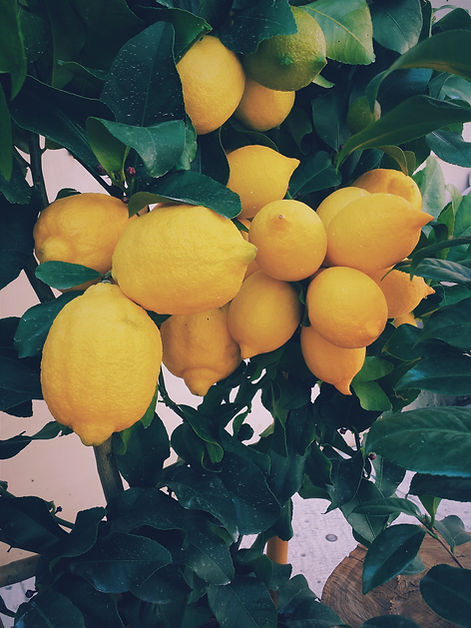
Lemon
-
Lime
Aromatic spices and herbs:
-
Fresh ginger
-
Turmeric
-
Fennel
-
Cardamom
-
Cinnamon (in moderation)
-
Aromatic ingredients are traditionally used to support digestion and movement.

Protein Sources in Dampness-Clearing Meal Plans
Protein is included in moderate amounts to nourish without heaviness.
Common options:
-
White fish
-
Chicken
-
Turkey
-
Eggs
-
Cooked tofu (moderate portions)
Deep-fried or very fatty proteins are generally limited.
Herbal Teas Traditionally Used in Dampness Patterns
Warm beverages are preferred in TCM dietary therapy.
Common options include:
-
Barley tea
-
Ginger tea
-
Dandelion leaf tea
-
Corn silk tea
-
Fennel tea
Iced beverages are usually avoided.
Foods Traditionally Limited When Addressing Dampness
TCM dietary guidance often recommends reducing:
-
Excess dairy
-
Fried foods
-
Refined sugar
-
White flour products
-
Alcohol
-
Ice-cold drinks
These foods are not inherently harmful but may contribute to heaviness when consumed frequently.

Cooking Methods That Support Dampness Transformation
How food is prepared is a key aspect of TCM nutrition.
Preferred methods:
-
Steaming
-
Boiling
-
Soups and broths
-
Light sautéing
Less emphasized methods:
-
Deep frying
-
Heavy sauces
-
Excess oil
Warm meals are generally favored.
Dampness, Food Energetics & Seasonality
Dampness is closely related to seasonal and energetic balance.
Dampness is often discussed during humid seasons
Late summer is traditionally associated with dampness.
Cooling foods may aggravate dampness for some individuals
👉 Learn more about Warming vs Cooling Foods
Why Dampness-Clearing Diets Are Personalized
In Traditional Chinese Medicine, dietary patterns are individualized.
A personalized approach considers:
-
Constitution type
-
Digestive tolerance
-
Climate and environment
-
Lifestyle and stress levels
General food lists provide education, but personalization improves practical application.
Personalized Dampness-Focused Meal Planning with NaturaBalance
This page offers educational information on dampness-clearing foods in TCM.
With NaturaBalance, users can:
-
Discover their TCM constitution
-
Access dampness-related food insights
-
Follow personalized TCM meal plans
-
Analyze meals for energetic balance
-
Receive seasonal educational protocols
Take the quiz and find out what works best for you.
